When the alarm hits at 3:30 AM, you aren’t thinking about your macros. You’re thinking about the wind direction, the steep drainage you need to drop into, and whether your boots are dry enough to lace up for another twelve-hour push. But for those of us who have spent over a decade chasing elk and whitetail through the timber, we know the truth: bowhunting isn’t just a pastime—it’s sustained, high-intensity athletic output. If you treat your body like a rental truck, you’re going to break down before you reach the truck with a pack-out.
I learned the hard way that recovery isn’t something you do when you get home. It’s a series of decisions you make in the field. When you collapse into your sleeping bag at night, your recovery clock isn’t counting hours—it’s counting minutes. Every minute spent in deep sleep is a minute your body is either tearing down or building back up. If you aren't feeding the machine, you’re running on fumes by day three.
The Science of Field Recovery Nutrition
There is too much marketing fluff out there promising "instant results" inflammation after pack out with flashy supplements. Save your money. I’ve seen enough guys try to "out-supplement" a bad diet, and it never ends well. Real recovery starts with simple, consistent protein intake. The goal here is muscle protein synthesis—the biological process of repairing the micro-tears you created while hauling gear or slipping through blowdowns.
Research consistently points to a specific window of opportunity. According to standards discussed in publications like The Permanente Journal regarding exercise physiology, the body’s ability to utilize protein is at its peak shortly after exertion. For a hard day of hunting, you need to be aiming for 20 to 40 grams of protein in that evening meal. This isn't just about "building muscle"; it's about inflammation management and preparing your nervous system for the 4:00 AM alarm the next day.
Protein Targets for the Backcountry
If you're eating a bag of dehydrated pasta, you’re missing the mark. You need high-quality, dense bowhunting recovery sources of protein that don't weigh down your pack. I keep my supplements on the nightstand—or in this case, on the lid of my bino harness or inside my tent vestibule—so I don't forget them while I'm exhausted and staring at the stars.
Recommended Protein Sources for Field Recovery
Source Protein Content (Approx.) Field Convenience Whey/Casein Blend 25g per scoop High Canned/Pouch Salmon 20-25g per pouch Moderate Jerky/Biltong 15g per 2oz High Hemp/Pea Protein Powder 20g per serving High Hard Cheeses 7g per ounce ModerateWhen you look at this table, don't overthink the "gym bro" aspects. Forget the technical jargon about bioavailability or insulin spikes. Just focus on getting that 20 to 40-gram threshold met. If you’re coming off a heavy pack-out, aim for the higher end of that range. Your muscles are effectively screaming for raw material, and ignoring that demand is how you end up with nagging injuries that last into the off-season.
The "Forgotten" Recovery Variable: Electrolytes
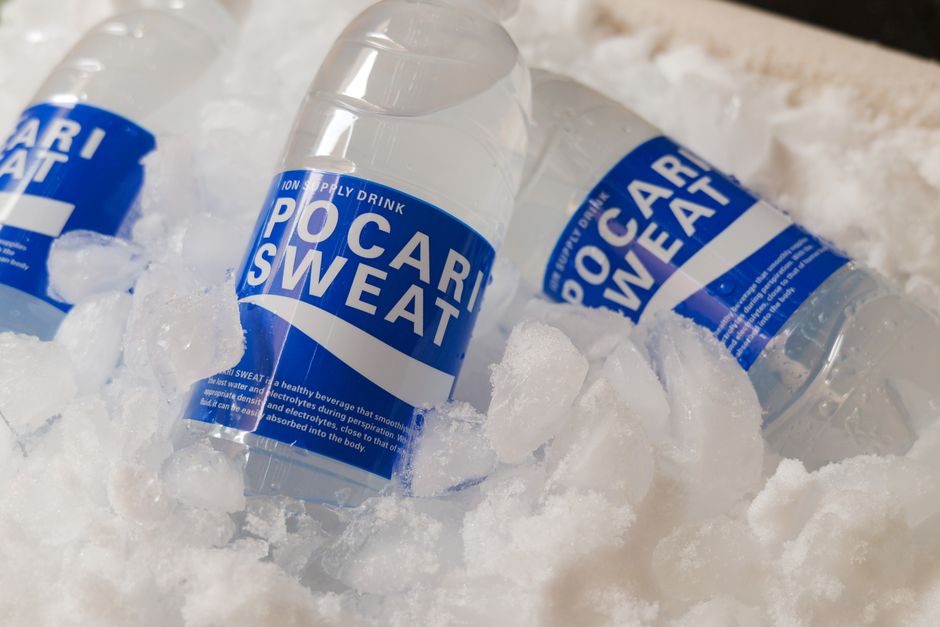
I see it every single year at elk camp: guys are chugging water but avoiding electrolytes because "it's not hot enough to sweat." That is complete nonsense. When you’re at high altitude or in cold, dry weather, you lose more water through respiration than you realize. Skipping electrolyte packets is a rookie mistake that leads to cramps, headaches, and poor sleep quality.
Recovery is measured in minutes, and if you're waking up in the middle of the night with a calf cramp, you've just lost precious, high-quality sleep. Drink your electrolytes with your dinner protein. It aids in cellular hydration and helps manage the systemic inflammation that builds up after twelve miles of hiking. If you want to read more on the tactical side of hunting fitness, check out the resources provided by the North American Bow Hunter—they’ve got a handle on the fact that we are athletes, not just shooters.

Sleep as the Recovery Foundation
We’ve all been there: you’re so overtired that you’re "wired." Your legs are twitching, your mind is replaying the missed shot from the morning, and the cold air of the tent feels like a personal attack. This is where your evening ritual becomes non-negotiable.
My nightstand ritual is simple: I have my protein source ready, my water bottle prepped, and my Joy Organics organic CBD gummies. I’m not interested in stuff that makes me feel groggy; I’m interested in stuff that helps me downshift. Using CBD as a nightly wind-down tool has been a game changer for me. It helps dampen the "hunting brain" and encourages the nervous system to switch from the sympathetic (fight-or-flight) state to the parasympathetic (rest-and-digest) state. When I’m deep in the backcountry, the last thing I need is to lay awake for four hours. Those hours are the only recovery time I’ve got before that 3:30 AM alarm goes off again.
Managing Inflammation Between Outings
If you're hunting for a week or more, inflammation is your biggest enemy. It’s what makes your knees feel like they’re filled with sand by day four. Managing this starts with your diet, but it also includes how you treat yourself after the sun goes down.
Immediate Post-Exertion: Get 20-40g of protein and electrolytes into your system within 30 minutes of returning to camp. The Wind-Down: Use your CBD gummies about 30 minutes before you intend to hit the sleeping bag. Thermal Recovery: If you're in a cold camp, use a hot water bottle in your sleeping bag to keep your core temp stable. Better core temp regulation equals deeper sleep. Movement: Even when you're sore, spend five minutes stretching your hips and calves. It helps clear the lymphatic system.The Bottom Line
Let’s cut the fluff. You don’t need to be a scientist to hunt better; you just need to be disciplined. Most guys fall apart because they view the night as a time to just "pass out." Treat your post-hunt window as part of the hunt itself. If you manage your protein intake—hitting that 20 to 40-gram mark—and protect your sleep quality, you’ll be the guy still moving strong when the rest of the crew is hitting the wall.
Keep your electrolytes topped off, keep your protein sources handy, and don’t let the cold or the fatigue force you into bad habits. The mountain doesn't care how tired you are. It doesn't care about your sore quads. It only cares about who is prepared to keep going. Be that guy. And when that 3:30 AM alarm rings, you’ll be glad you prioritized your recovery the night before.
Remember, recovery is a game of minutes. Every minute of sound sleep and every gram of protein is an investment in the next day's success. Don't waste the effort you put into the climb by neglecting the work you need to do at the camp table.