I’ve sat through enough press conferences at Melwood and later the AXA Training Centre to know the script by heart. A star player is nursing a knock. The manager steps up to the mic, looking annoyed, and utters the phrase that drives every fan—and every local reporter—to distraction: "He’s day-to-day."

Let’s be clear: "Day-to-day" is usually the professional equivalent of "don't ask me about this again." It’s a corporate smoke screen. In reality, the decision to hold a player back for a massive fixture—like a Merseyside Derby or a title decider—isn't about gamesmanship. It’s about mathematics, physiology, and the grim recognition that one rash decision can torpedo an entire season.
Injuries as Systemic Failures, Not Isolated Events
We have a habit of viewing an injury like a car crash. A player goes down, they hold their hamstring, and we assume it’s a singular, unlucky event. In the modern Premier League, that’s rarely the case. Injuries are almost always systemic failures of load management.
When a player breaks down, it is usually the final domino in a chain of accumulated fatigue. According to sports science literature and recurring FIFA medical research (inside.fifa.com/health-and-medical/research), the physiological cost of high-intensity movement is not just the energy spent, but the microscopic structural damage that requires time to rebuild. If the body doesn't get that time, the collagen fibers in tendons or the muscle tissue itself never reach their baseline strength. Liverpool injury crisis You aren't just looking at an isolated tear; you are looking at a system that has been overdrawn for months.
The NHS emphasizes that recovery isn’t just the absence of pain; it is the physiological process of tissue remodeling. If you rush a player back because the fixture list looks scary, you aren’t managing a player—you’re gambling with their career trajectory. When a manager says a player is "unavailable," they are usually protecting the club from the recurrence risk that comes with inadequate recovery.
The 2020-21 Crisis: A Case Study in Tactical Knock-on Effects
If you want to understand the danger of mismanaging injuries, look no further than Liverpool’s 2020-21 season. It was a masterclass in how a singular physical failure destroys a tactical identity.
When Virgil van Dijk went down against Everton, it wasn't just a loss of a world-class defender. It was the collapse of the high-line system. Because the defenders behind him—Joe Gomez and Joel Matip—were already carrying long-term fatigue and pre-existing issues, the entire defensive structure fractured.
The tactical knock-on effect was immediate:
- The Pressing Trap: The midfield had to drop deeper to compensate for a brittle backline, which meant the high-intensity pressing trigger was abandoned. Fixture Congestion: With the backline constantly rotating, the physical load on the remaining midfielders spiked, leading to further injuries in the engine room. Long-term Outcomes: By trying to plug gaps with players who weren't 100% physically prepared, the club essentially traded the season's stability for short-term fixes that never actually worked.
I’ve heard fans speculate that players were "rested for mental reasons," but having spoken to conditioning staff over the years, the numbers usually tell a harsher story. This is speculation on my part, but based on the volume of matches played that year, the "systemic failure" was inevitable once the primary defensive anchors were gone. They didn't have the physiological buffer to absorb the Virgil van Dijk ACL 2020 workload.
The Hidden Cost of High-Intensity Pressing
Modern football is built on the "Gegenpress." It is a beautiful, brutal way to play, but it is physically expensive. You are asking human beings to perform repeated high-intensity sprints, often in the 80th minute when glycogen stores are depleted.
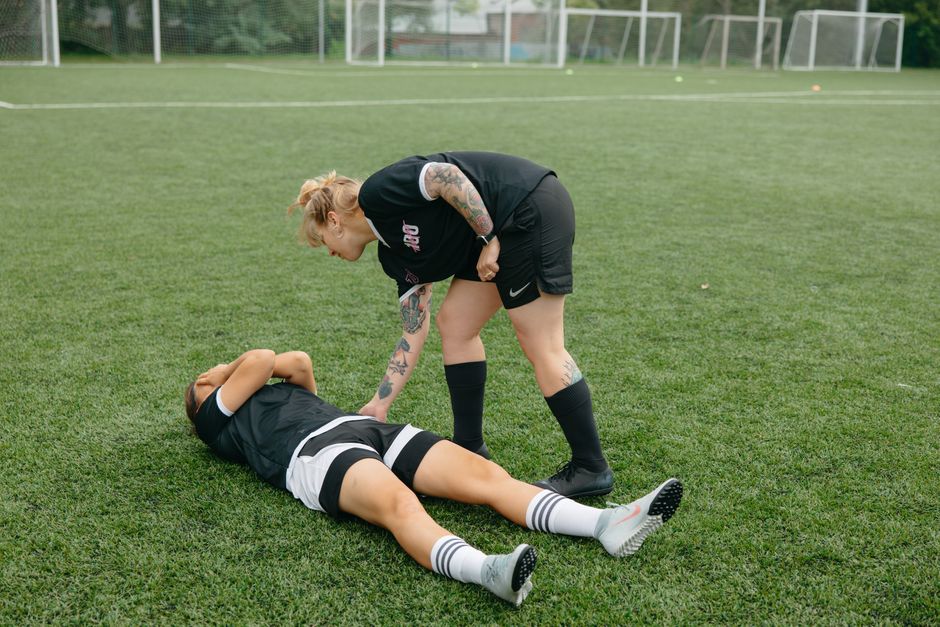
When a player returns from a muscle injury, they often have the "engine" to play, but not the "chassis" to handle the deceleration forces of sprinting. If they come back too soon, they are effectively running on a frame that hasn't finished the staged reintegration process. Staged reintegration isn't just a buzzword for "training"; it is a specific, monitored increase in explosive load designed to mimic the stress of a match environment.
The Comparison: Quick Fixes vs. Staged Reintegration
Feature "Quick Fix" Approach Staged Reintegration Decision Driver Urgency of the next match Physiological data thresholds Risk Assessment Short-term availability Recurrence risk probability Player Status "Available if needed" Controlled load progression Outcome High probability of secondary injury Long-term durabilityWhy "Day-to-Day" is the Wrong Metric
The reason I get annoyed at "day-to-day" updates is that they pretend recovery is linear. It isn't. You don't get 10% better every 24 hours. Some days, the tissue responds well; other days, there is a flare-up of inflammation. That is biology. The manager might hope for a miracle, but the medical team is looking at GPS data, heart rate variability, and scan results that show the tissue is still fragile.
If you play a star midfielder in a game they aren't ready for, and they break down again, you lose them for six weeks instead of two. That is the long-term outcome nobody talks about. The fan only remembers the game they missed; the medical team remembers the month of training they can’t get back.
When you hear a manager say a player isn't ready for a big match, stop blaming the medical staff for being "over-cautious." They aren't holding the player back because they are scared of the media; they are holding the player back because they know that one misplaced sprint in a high-intensity match can end a campaign.
Conclusion: The Value of Patience
We love the "heroic" story of a player returning early to play through the pain. It feels romantic. But in 12 years of covering this league, I’ve seen that romance turn into career-altering surgery far too often.
Modern clubs are moving toward data-driven caution. Is it frustrating when your best player is sitting in the stands during a cup final? Absolutely. But the alternative is the kind of defensive collapse we saw in 2020-21. Protecting a player today is often the only way to ensure they’re actually useful by May. Football isn't won on the day of the big match; it's won by the players who are still standing when the finish line arrives.